Retirement is Not Only a Personal Decision - It's an Organizational Transition
Laurie Bodisch is the creator of the Workforce Retirement Transition Model™, which helps organizations bring structure and clarity to employee retirement decisions.
Most mid-sized organizations have never formally addressed the boundary between Social Security education and individualized strategy. As employees approach retirement, that gap quietly affects advisory risk, succession planning, and workforce flow.


THE STRUCTURAL GAP
An Overlooked Advisory Boundary
In many organizations, HR teams are placed in an unintended position.
Employees approaching retirement frequently ask detailed questions about Social Security timing:
* When should I file?
* Should my spouse claim first?
* What happens if I continue working?
* How does this affect survivor benefits?
HR professionals are qualified to answer general benefits questions.
They are not typically credentialed to provide an individualized Social Security strategy.
Yet in the absence of a structured approach, the line between education and advice can become blurred.
When that boundary is unclear:
* Employees may misunderstand permanent claiming decisions
* Retirement timing can stall
* Frustration may surface
* Organizations can assume unintended liability.
Despite its permanence and complexity, Social Security strategy is rarely addressed at the organizational level.

WHY THIS MATTERS NOW
Retirement Timing is a Workforce Variable
Social Security claiming decisions are permanent and can materially affect lifetime household income.
Uncertainty around these decisions often delays retirement - even when employees are otherwise financially prepared.
When retirement timing stalls, organizations experience:
Delayed succession planning
Slowed leadership mobility
Promotion bottlenecks
Reduced workforce predictability
Retirement clarity is not only a personal financial matter.
It is a workplace planning variable.
Organizations that address it proactively gain structure where others operate informally.


A STRUCTURED APPROACH TO AN UNSTRUCTURED ISSUE
The Workforce Retirement Transition Model™
The Workforce Retirement Transition Model™ is our proprietary, formal framework that addresses employee uncertainty about retirement timing while protecting HR teams from gray areas in advisory guidance.
Our model is built on four pillars:
1) Timing Interpretation - Assess retirement timing assumptions among leadership and other key employees.
2) Transition Visibility - Translate likely retirement windows into workforce and succession insight.
3) Advisory Boundaries - Define what HR should address internally and where external guidance is appropriate.
4) Organizational Readiness - Improve succession pacing, forecasting confidence, and transition stability.

A FIRST-MOVER ADVANTAGE
Addressing What Most Organizations Have Not
Very few organizations formally address Social Security strategy within a workforce context.
Most rely on informal conversations, external benefits providers focused on investments, or ad hoc employee research.
By establishing a structured retirement transition approach, organizations:
Clarify advisory boundaries
Reduce avoidable risk exposure
Improve succession planning visibility
Provide employees with confidence before permanent decisions are made
ENGAGEMENT OPTIONS
Engagement Structure
Organizations engage at the level appropriate for their workforce size and leadership priorities.
Tier 1 - Workforce Education Session
A structured educational session designed for employees approaching retirement, focused on Social Security fundamentals, common misconceptions, and retirement timing clarity.
Tier 2 - Leadership & Management Alignment
Includes workforce education and management-level discussion addressing workforce flow, timing implications, and structured communication boundaries.
Tier 3 - Executive Strategy Engagement
Includes workforce education, leadership alignment, and an executive-level briefing focused on succession planning, advisory boundary clarity, and retirement transition strategy.
All engagements are delivered in a hybrid format to support organizational efficiency and scalability.
Employees who desire individualized Social Security optimization analysis may pursue it independently, maintaining clear professional boundaries between organizational education and personal strategy.
What is a Workforce Retirement Transition Consultant?
A Workforce Retirement Transition Consultant helps organizations address retirement timing uncertainty by providing structured Social Security education and clear advisory boundaries. The goal is to support HR teams, improve workforce predictability, and help employees make informed decisions before filing for benefits.
Why shouldn't HR provide individualized Social Security advice?
HR professionals are well-equipped to explain general benefits. However, an individualized Social Security claiming strategy requires specialized expertise and credentials. Without a structured approach, the line between education and advice can become unclear, creating unintended organizational risk.
How does Social Security uncertainty affect succession planning?
When employees are unsure about Social Security timing, retirement decisions often get delayed. This can slow leadership mobility, create promotion bottlenecks, and reduce workforce forecasting accuracy. Providing structured education helps employees make more confident and timely decisions.
Does this replace our 401(k) advisor or financial wellness program?
No. Most retirement plan advisors appropriately focus on investment accumulation and portfolio management. Workforce Retirement Transition consulting addresses a different — and often overlooked — area: Social Security timing education and the organizational impact of retirement decisions.
Are employees required to participate in individual strategy sessions?
No. Workforce education is provided at the organizational level. Employees who wish to pursue individualized Social Security optimization analysis may do so independently, maintaining clear professional boundaries for the employer.
What types of companies benefit most from this service?
Mid-sized organizations (typically 200–1,000 employees) often see the greatest impact, particularly those facing retirement uncertainty, succession bottlenecks, or increased HR questions about Social Security.
YOUR WORKFORCE TRANSITION RETIREMENT CONSULTANT
Who is
Laurie Bodisch?
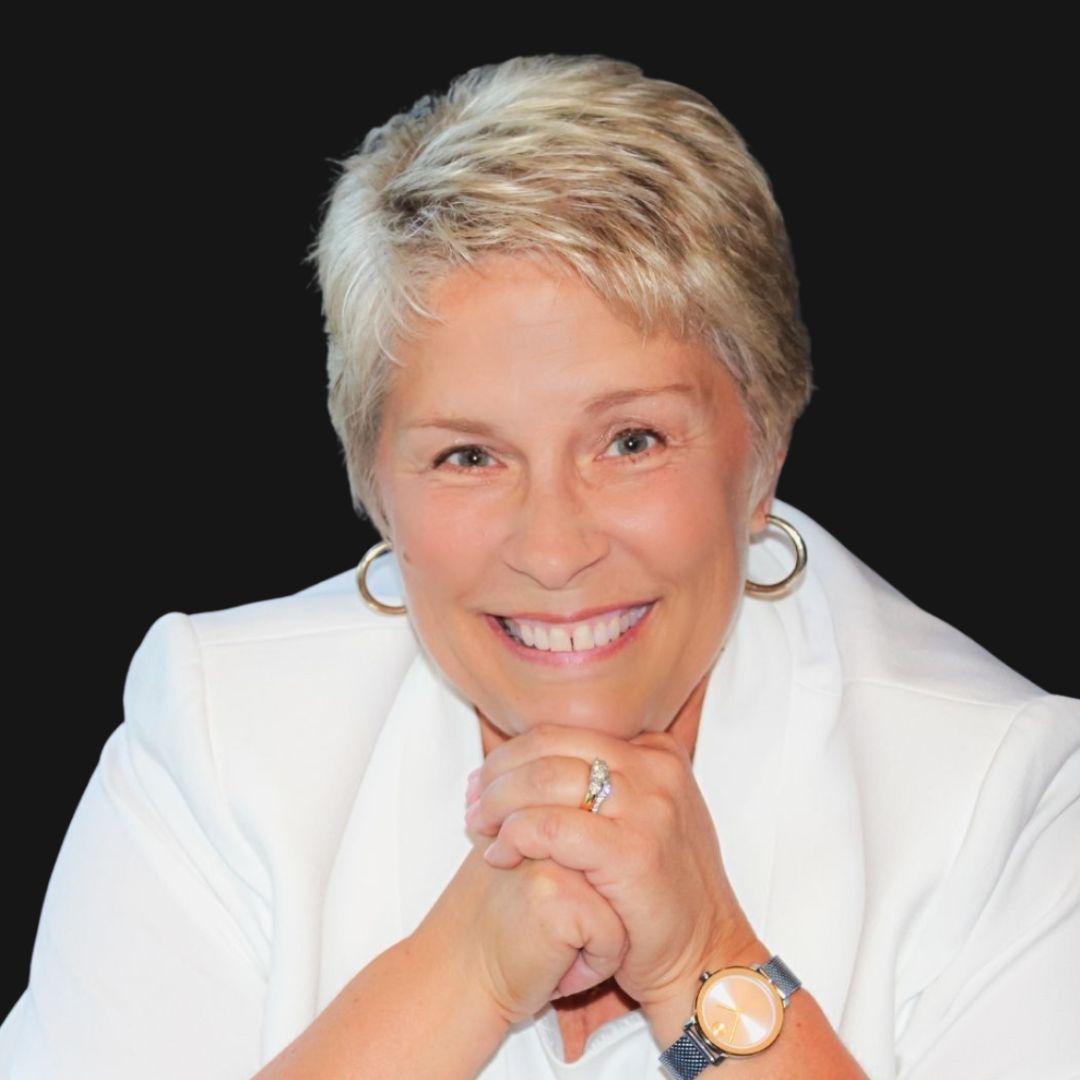
Laurie Bodisch is a Workforce Retirement Transition Consultant and Certified Trust and Fiduciary Advisor® (CTFA®) with more than three decades of experience in compliance oversight, wealth advisory, and portfolio management.
She specializes in Social Security strategy and retirement income coordination, focusing on helping organizations formalize retirement transition processes while protecting advisory boundaries.
Her insights on Social Security and retirement planning have been cited in national publications, including Barrons, Investopedia, and CBS News.
Laurie works directly with HR leaders and executive teams to bring structure, clarity, and predictability to workforce retirement transitions.
GET STARTED
Let's start the conversation.
If your organization is navigating retirement timing or uncertainty or seeking to formalize advisory boundaries around retirement discussions, a structured strategy conversation is the first step.
Copyright 2026. Workforce Retirement Transition. All Rights Reserved.